Exploring Common Laser Cut Patterns for Hypotubes in Catheter Systems
Last Updated:
April 28, 2026
by
Laser cut patterns play a crucial role in defining the mechanical behavior and performance of hypotubes used in catheter systems. These patterns enable precise control over flexibility, kink resistance, pushability, and other key attributes. In this blog post, we will delve into some of the most commonly used laser cut patterns for hypotubes in catheter systems, exploring their characteristics and the benefits they offer.
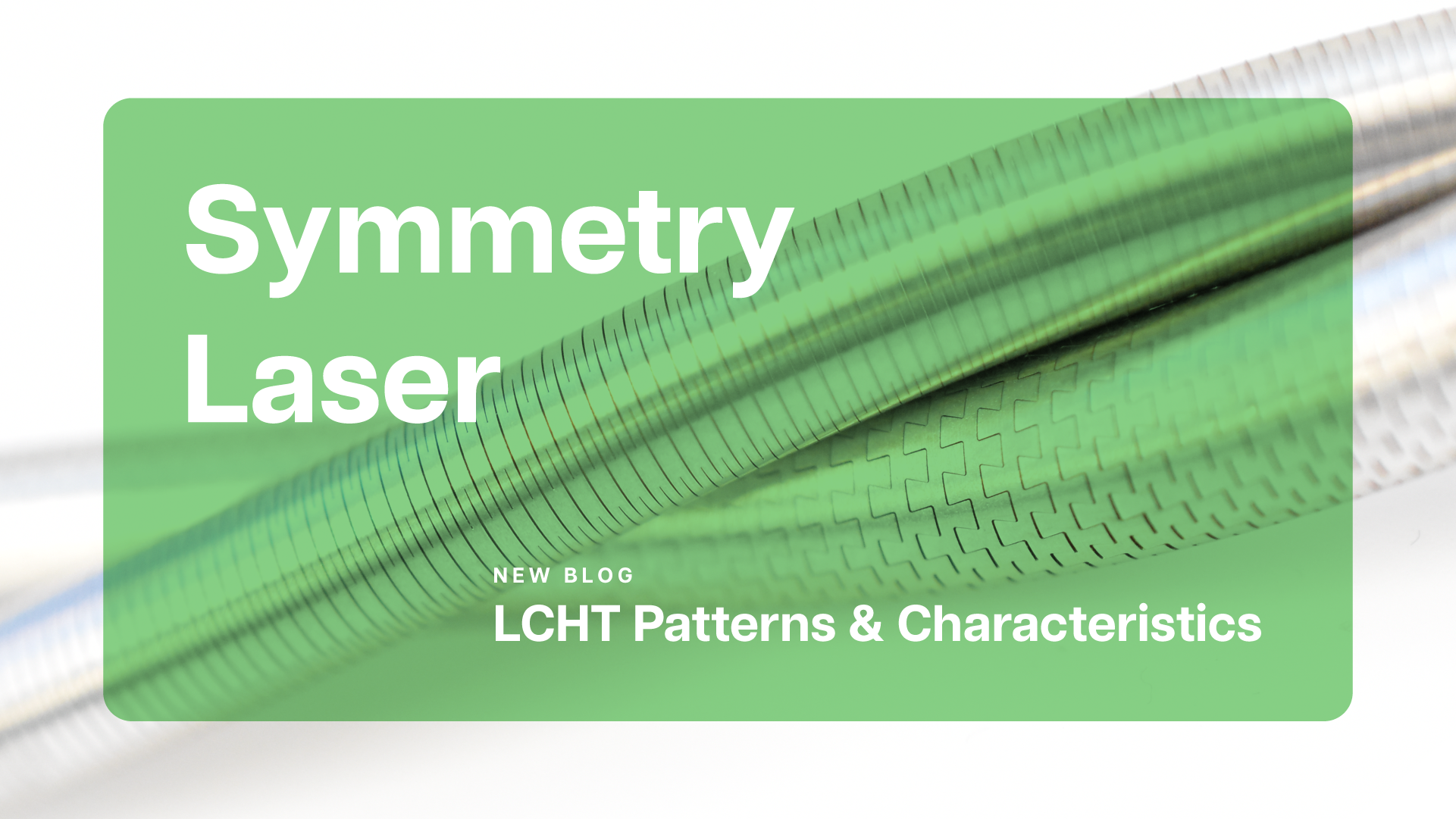
Spiral Cuts: Spiral cuts are one of the most widely used laser cut patterns in catheter systems. This pattern involves creating a continuous helical cut along the hypotube's surface. Spiral cuts offer gradual flexibility along the catheter shaft, enabling smooth navigation through tortuous anatomical pathways. The gradual bendability provided by spiral cuts minimizes trauma, improves patient comfort, and enhances the overall maneuverability of the catheter system.
Variable Density Patterns: Variable density patterns involve creating apertures or slots that vary in size, shape, or spacing along the hypotube's surface. This laser cut pattern allows engineers to customize the mechanical properties of the catheter shaft, optimizing stiffness, flexibility, and torque response at different sections. By strategically modifying the density of cuts, variable density patterns enable tailored performance for specific catheter applications. This versatility supports the optimization of catheter designs to meet diverse clinical requirements.
Looking For A Laser Cut Hypotube Partner?
Symmetry Laser is here for you! We are laser cutting experts with years of experience in the medical industry with the insights and know-how to create the perfect laser cut hypotube for your project.
Asymmetric Designs: Asymmetric laser cut patterns are utilized to introduce directional control to the catheter system. By creating cuts with different geometries on specific sections of the hypotube, engineers can influence the catheter's behavior during navigation. Asymmetric designs allow for precise maneuvering through complex anatomical structures, improving procedural accuracy and reducing the risk of unintentional damage. The directional control provided by asymmetric designs enhances the overall safety and effectiveness of the catheter system.
Cross-Cuts: Cross-cuts involve creating perpendicular slots or apertures that intersect the hypotube's surface. This pattern enhances the flexibility of the catheter shaft in multiple directions, allowing for increased bendability and improved responsiveness to steering inputs. Cross-cuts are particularly beneficial in applications where catheters require enhanced navigation capabilities, such as reaching challenging anatomical locations or traversing intricate vasculature.
Hybrid Patterns: Hybrid patterns combine multiple laser cut designs to achieve specific performance objectives. By incorporating elements from different patterns, engineers can create hypotubes with unique mechanical properties tailored to meet specific application requirements. For example, a hybrid pattern might incorporate spiral cuts for gradual bendability in certain sections, while variable density patterns are used to modulate stiffness and flexibility in other areas. Hybrid patterns offer a versatile approach to optimizing catheter designs by combining the strengths of different laser cut patterns.
.png)