.png)
Last Updated:
April 28, 2026
Steerable catheter systems play a crucial role in minimally invasive medical procedures, allowing healthcare professionals to navigate complex anatomies with precision. These precisely machined, thin-walled metallic tubes offer unique advantages in terms of bendability, reinforcement, and control. In this blog post, we will explore how laser cut hypotubes are utilized to build steerable catheter systems, and the effects they have on bend radius, kink resistance, and pushability.
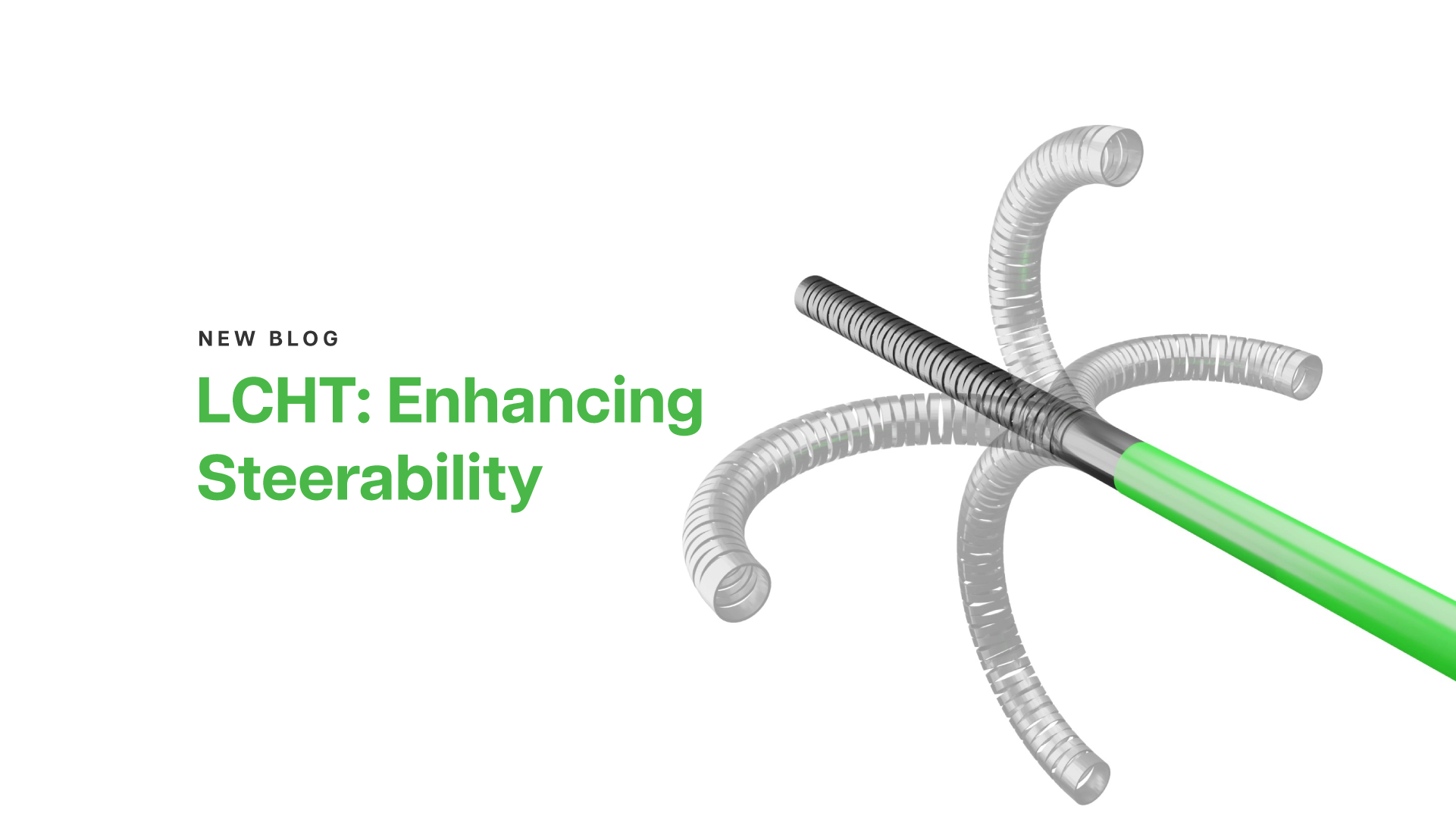
Laser Cut Hypotubes for Enhanced Bend Radius: Laser cut hypotubes enable the construction of steerable catheters with superior bendability. By strategically designing patterns of apertures or slots using laser cutting techniques, we can precisely control the distribution of flexibility along the catheter shaft. This control allows for increased bend radius, granting the catheter system the ability to navigate tortuous anatomies while maintaining structural integrity.
Kink Resistance for Uninterrupted Navigation: The precise machining of laser cut hypotubes provides exceptional reinforcement, enhancing the kink resistance of steerable catheters. The carefully engineered pattern of apertures or slots distributes the stress evenly along the shaft, minimizing the risk of kinks or buckling. This reinforcement ensures uninterrupted navigation through challenging anatomical structures, reducing the potential for complications during medical procedures.
Symmetry Laser is here for you! We are laser cutting experts with years of experience in the medical industry with the insights and know-how to create the perfect laser cut hypotube for your project.
Let's work together
Laser Cut Hypotubes for Improved Pushability: Laser cut hypotubes contribute to the pushability of steerable catheters. The precise and consistent manufacturing process ensures uniform wall thickness, optimizing the push force transmission along the catheter shaft. This feature enhances the overall control and maneuverability of the catheter system, enabling healthcare professionals to accurately reach target locations within the body.
Tailored Design for Specific Performance Requirements: Laser cut hypotubes offer unmatched design flexibility, allowing engineers to create customized patterns to meet specific performance requirements of steerable catheters. Different laser cut patterns, such as spiral cuts, variable density patterns, or asymmetric designs, can be employed to modulate the shaft's mechanical properties. These patterns enable precise control over the catheter's stiffness, flexibility, and torque response, providing the desired level of control during procedures.
Spiral Cuts for Gradual Bendability: Spiral cuts on the hypotube's surface create a helical pattern, allowing for gradual bendability along the shaft. This design enables smooth navigation through curved anatomical pathways, minimizing trauma and improving patient comfort.
Variable Density Patterns for Adaptive Performance: Variable density patterns involve laser cut apertures or slots that vary in size, shape, or spacing along the catheter shaft. This design allows for the optimization of stiffness, flexibility, and torque response at different sections, catering to the unique requirements of various medical procedures.
Asymmetric Designs for Controlled Directionality: Asymmetric laser cut patterns offer directional control, allowing the catheter system to navigate specific anatomical structures accurately. These designs can be tailored to address challenges encountered in specific medical interventions, improving the overall precision and safety of the procedure.
Innovative Laser Cutting Solutions.
305 Mace Blvd. Suite 100,
Davis, CA 95618
(530) 564-8001
© 2022 Symmetry Laser, All Rights Reserved.


